
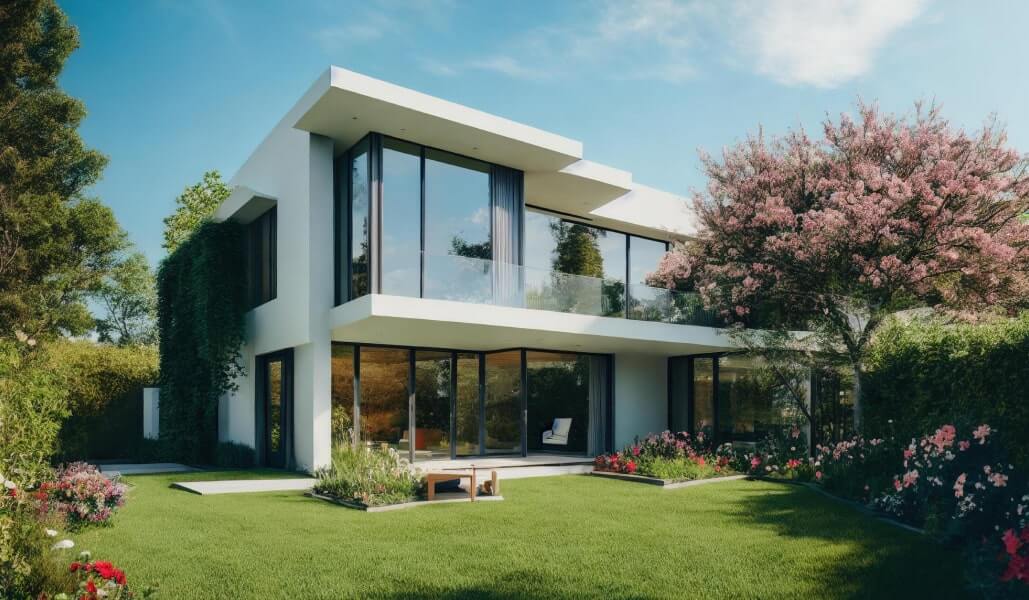
🌿 Green Real Estate in Nigeria: The Future of Sustainable Development
As global conversations around climate change and environmental sustainability grow louder, Nigeria’s real estate market is starting to catch up. The demand for eco-friendly buildings, energy-efficient housing, and sustainable urban planning is slowly but surely shaping the future of real estate in the country.
🌱 What Is Green Real Estate?
Green real estate refers to properties designed, built, and operated in ways that reduce environmental impact and promote healthier living. This includes:
-
Use of renewable energy (e.g., solar panels)
-
Water-saving fixtures and systems
-
Eco-friendly construction materials
-
Energy-efficient lighting and insulation
-
Waste recycling systems
🗣️ “Sustainability is no longer optional—it's a competitive advantage in Nigeria’s evolving property market.”
— Tola Ayeni, Environmental Architect
🇳🇬 Why Green Real Estate Matters in Nigeria
-
Power Shortages
With unstable electricity supply, homes with solar power or backup systems are more attractive to buyers. -
Rising Utility Costs
Energy- and water-efficient homes help homeowners save significantly on monthly bills. -
Urban Pollution
Green buildings improve indoor air quality and reduce environmental footprint in congested cities like Lagos and Port Harcourt.
🔍 Examples of Green Projects in Nigeria
-
Lekki Gardens Smart Homes: Featuring energy-efficient features and solar-ready roofs.
-
Millennium Apartments (Abuja): Incorporates rainwater harvesting and solar energy.
-
Green Valley Estate (Enugu): Built with sustainable local materials and smart lighting systems.
💼 Opportunities for Real Estate Stakeholders
-
Eco-Conscious Buyers: Younger, educated buyers prefer homes that align with their values on climate and health.
-
Cost-Saving Development: Though initial investment may be higher, green buildings lower long-term operational costs.
-
Government Incentives: States like Lagos are exploring tax incentives for sustainable developments.
💬 “Green buildings yield higher rental returns and reduce tenant turnover—everyone wins.”
— Kelechi Nwosu, Property Manager
⚠️ Challenges to Overcome
-
Lack of awareness about green building benefits
-
Higher upfront construction costs
-
Limited access to sustainable building materials
-
Minimal government regulation or enforcement
📌 Final Thoughts
Green real estate is more than a trend—it’s the future of Nigerian housing. Developers, investors, and even renters must begin to think long-term by embracing sustainable practices. Not only is it better for the planet, but it’s smarter business, too.